

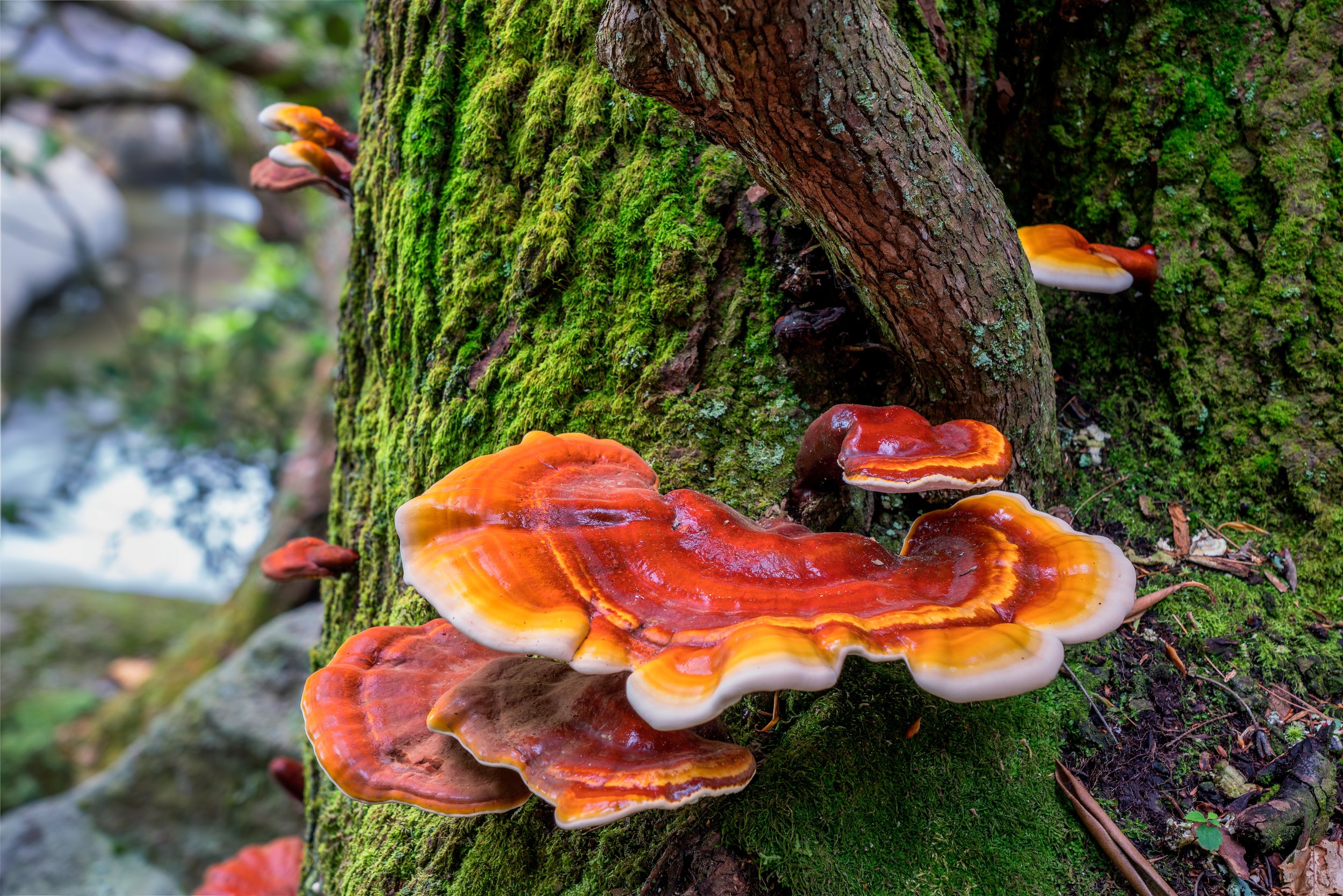
Why We Share Research
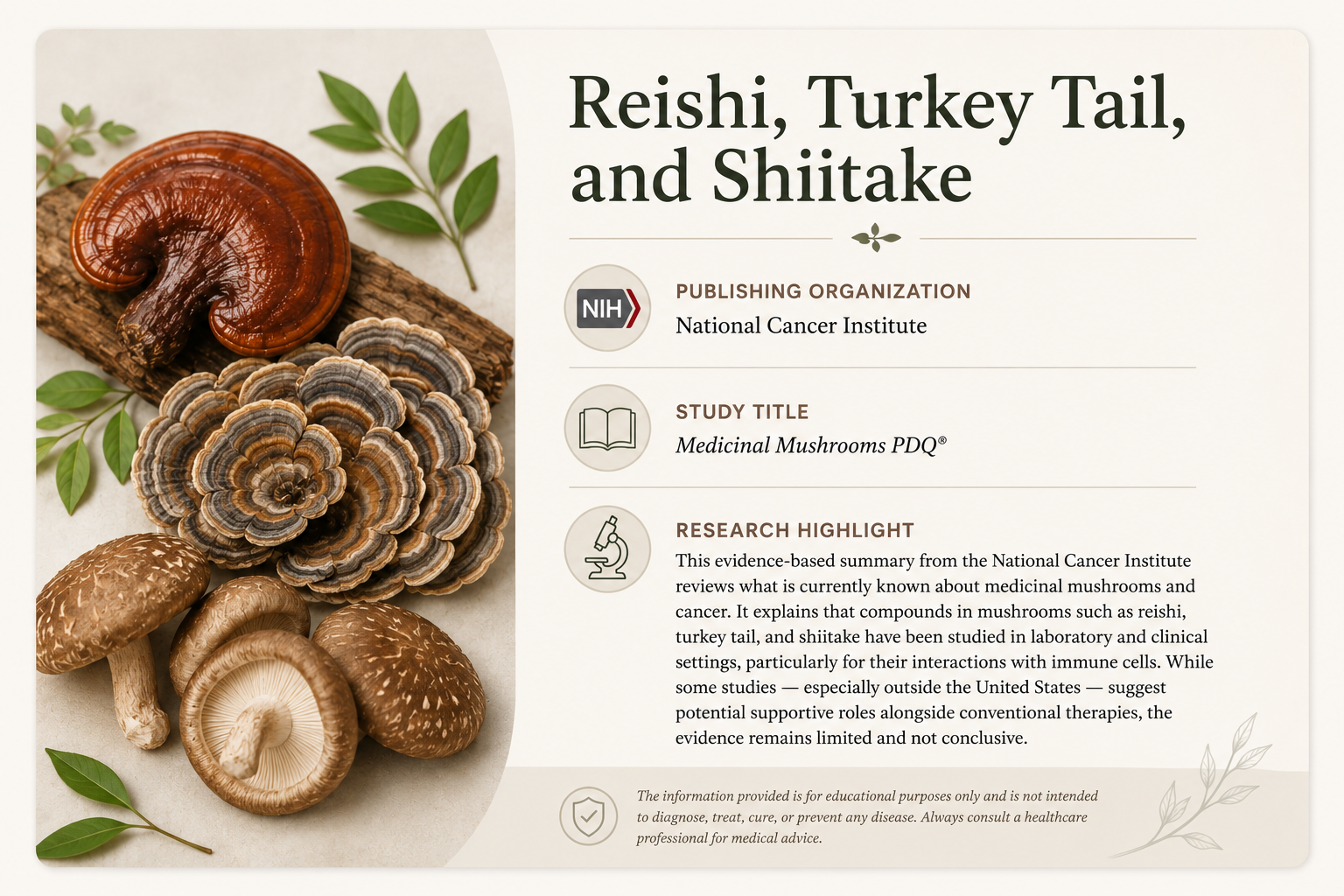
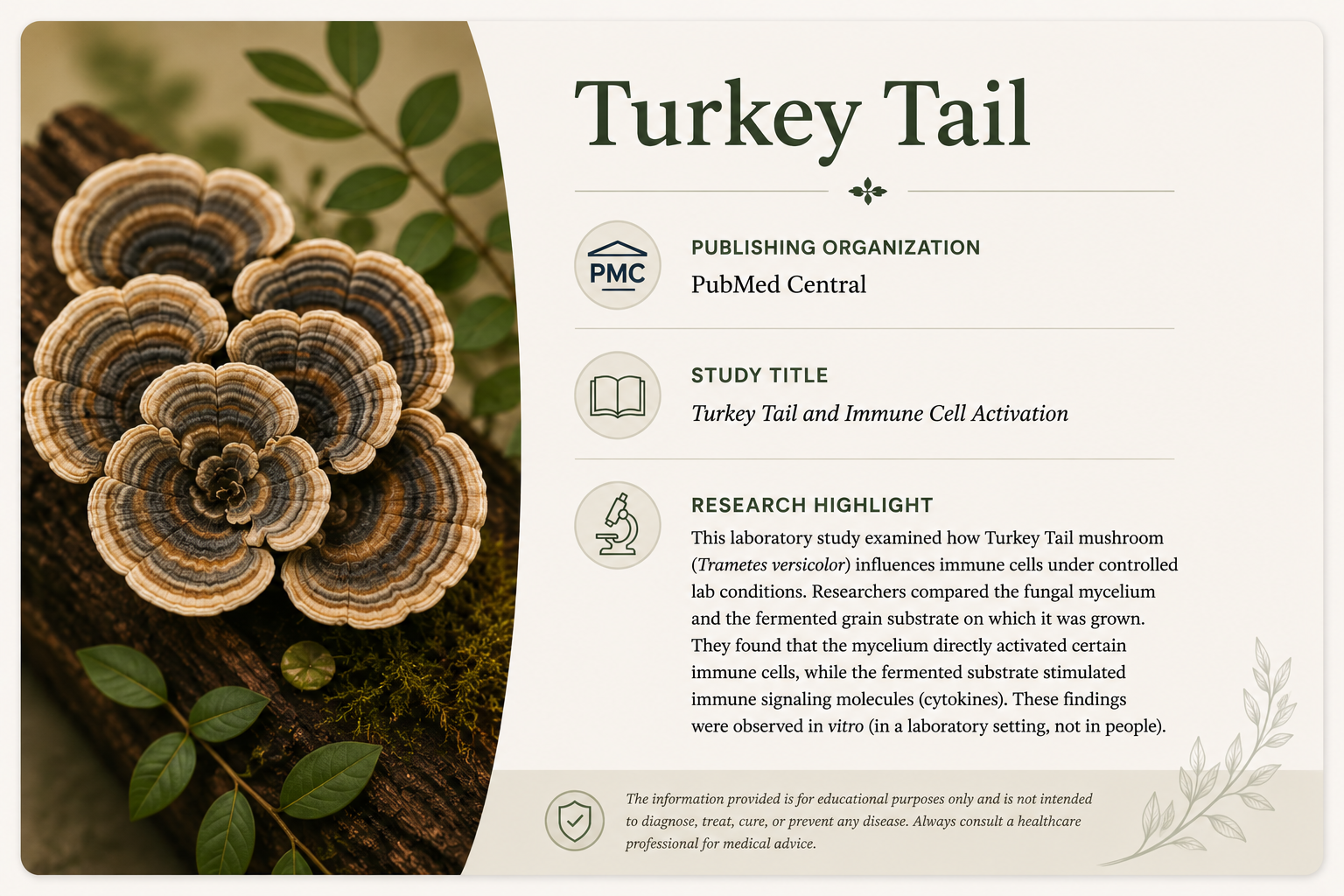
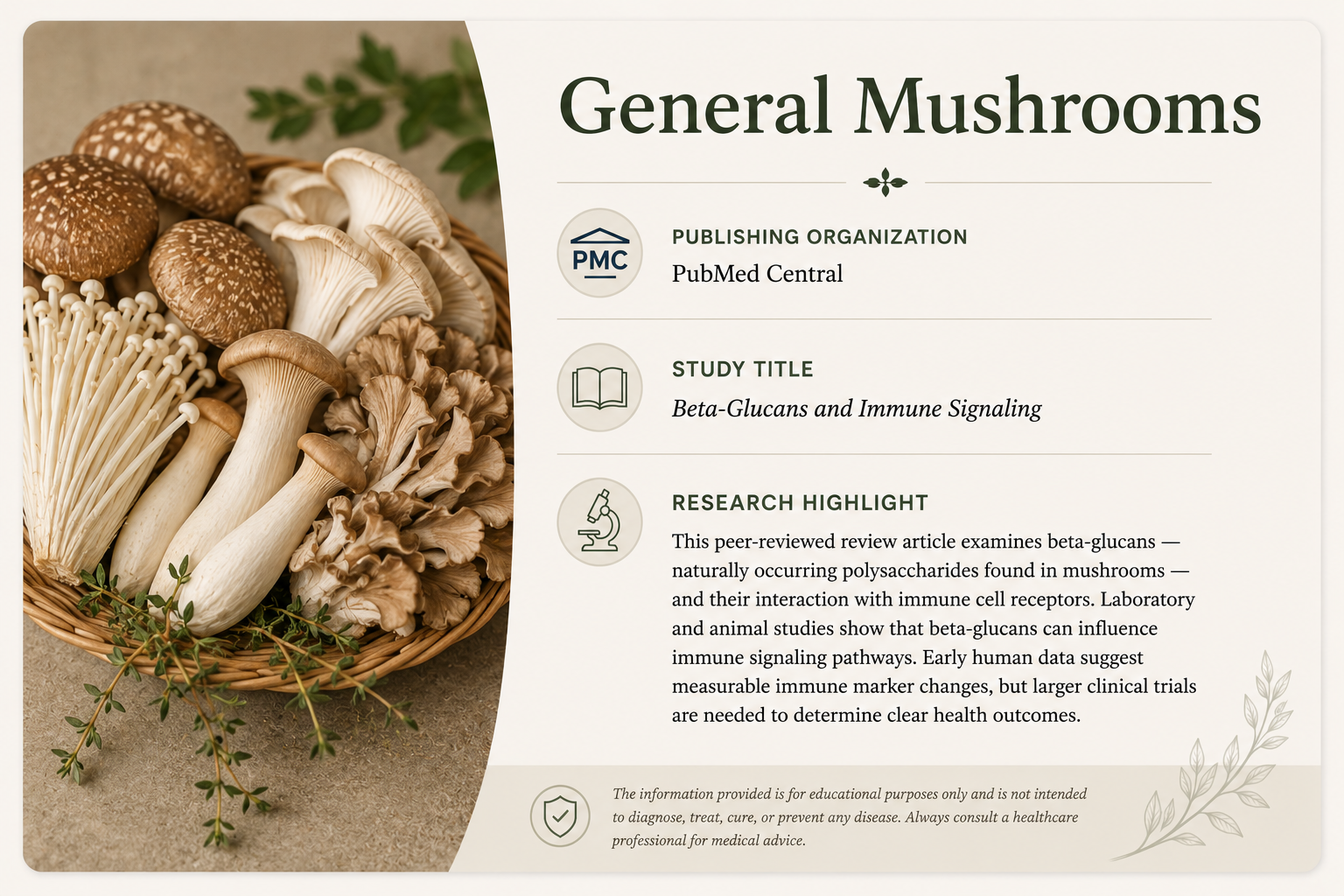
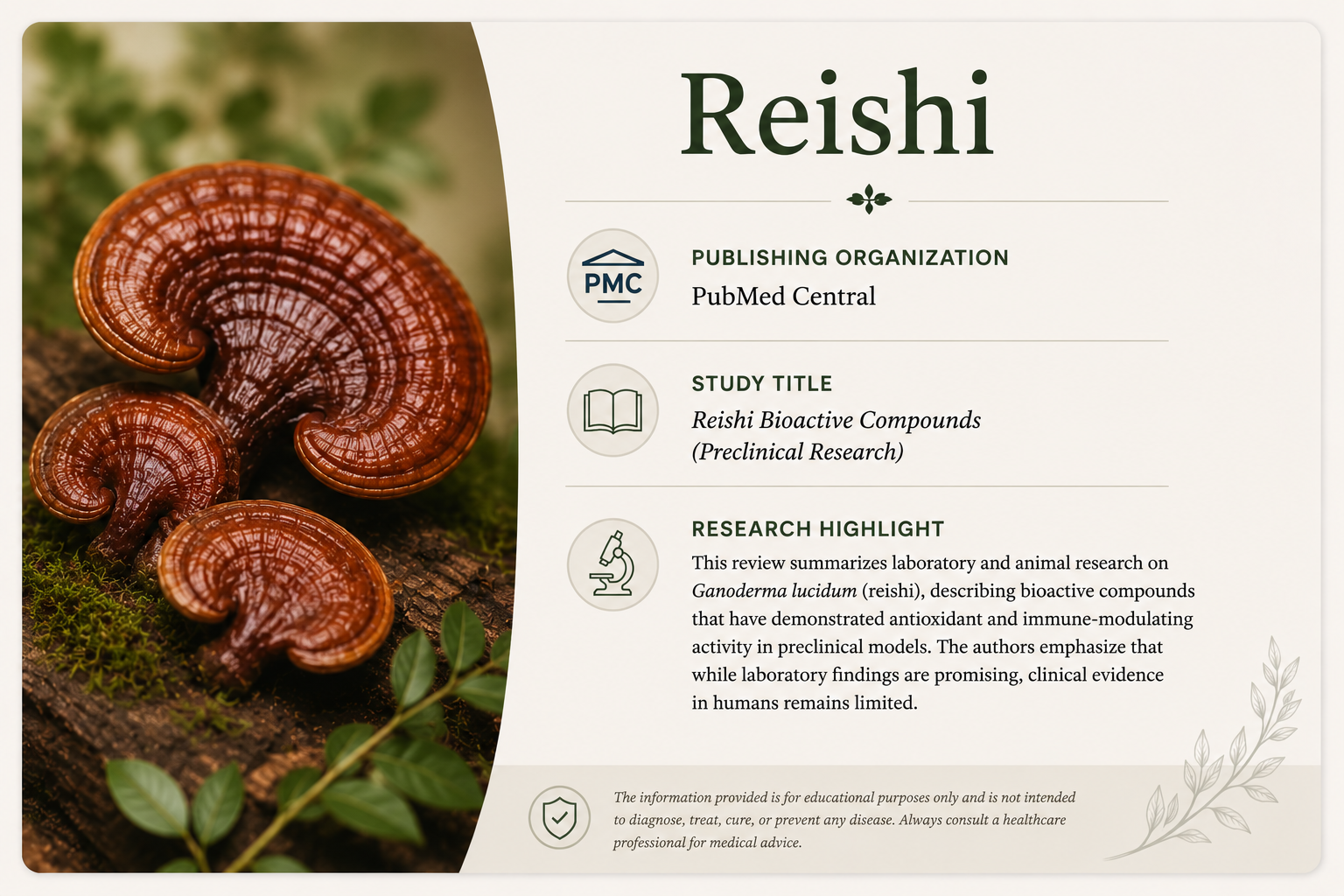
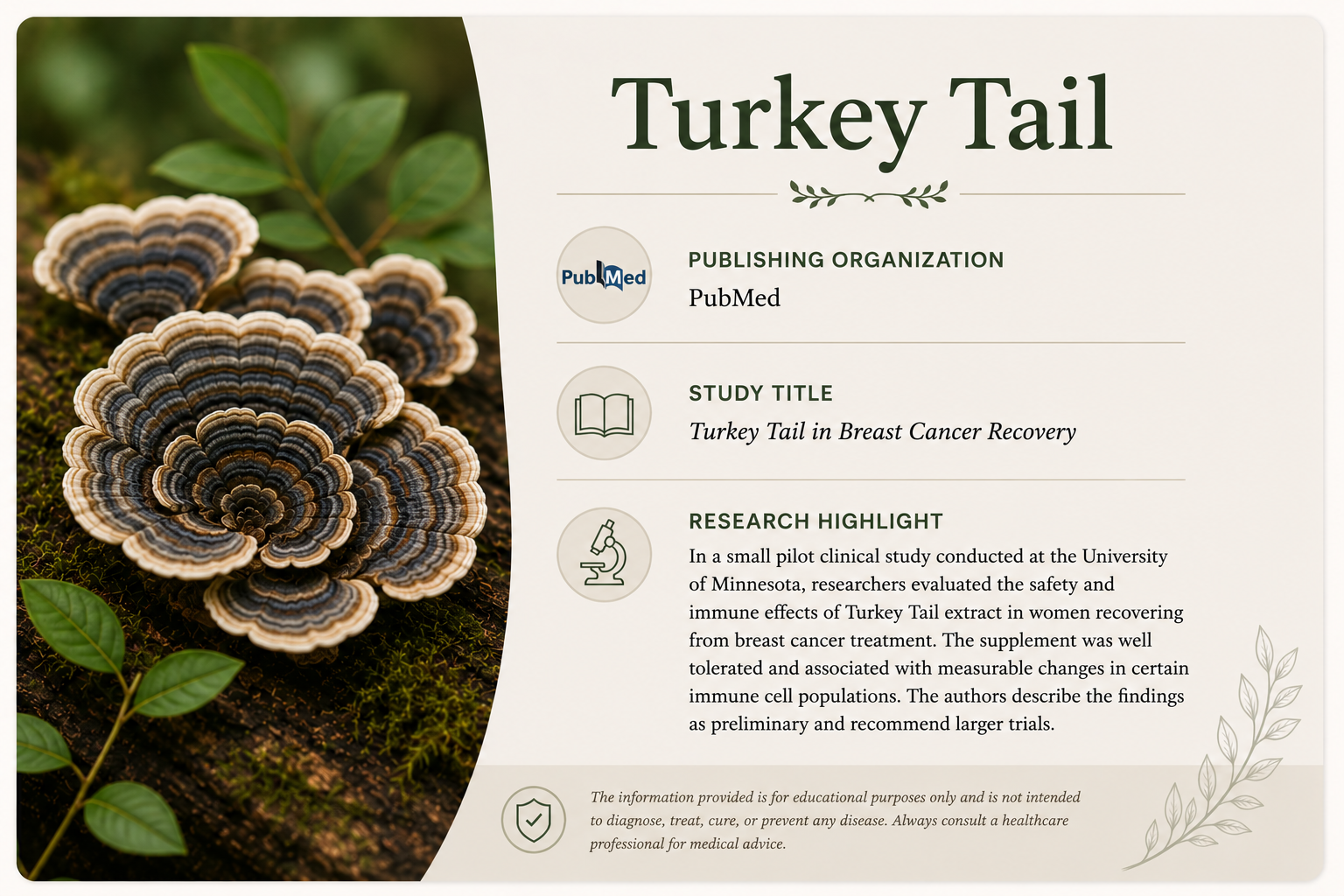
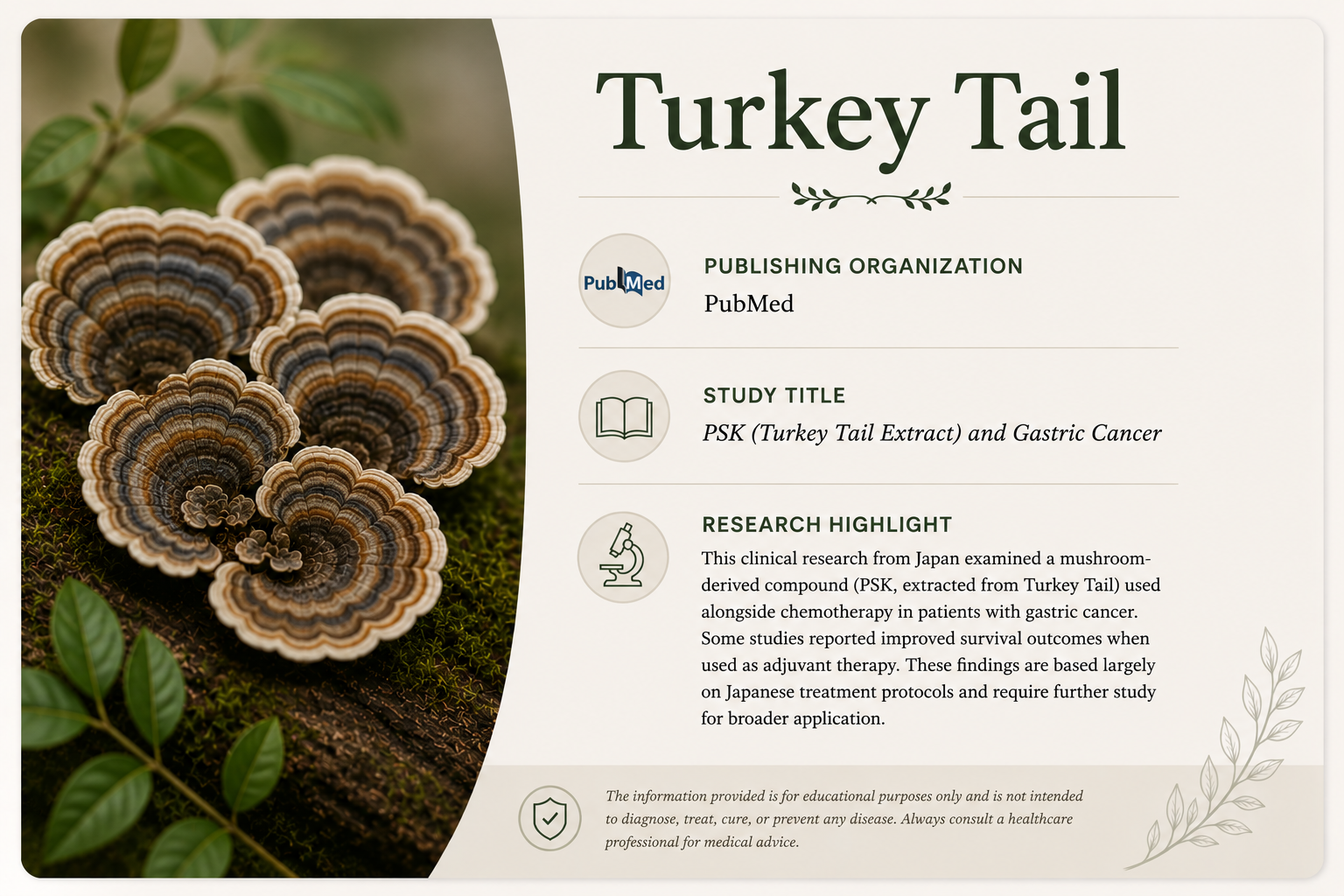
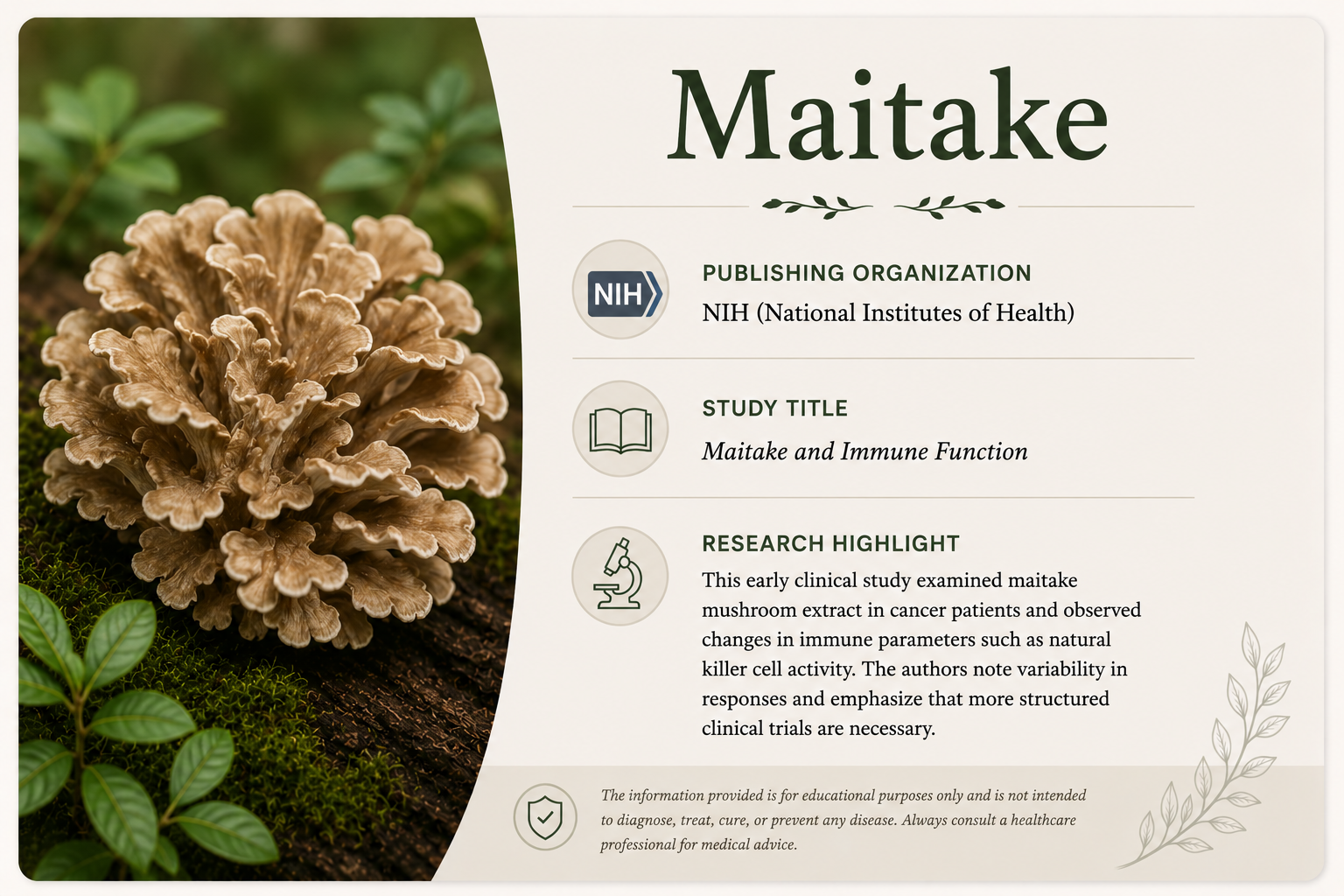
At Spore & Sage, curiosity and evidence guide our approach to cultivation. Mushrooms are biologically complex organisms that continue to be studied by researchers around the world. We share selected peer-reviewed articles and government summaries here to provide context about what scientists are exploring — not to make medical claims, but to encourage informed learning and thoughtful engagement with emerging research.
Featured Mushroom Research
Research Transparency
The articles shared here represent a range of laboratory studies, early clinical trials, and scientific reviews conducted by universities, hospitals, and research institutions. Much of this research is ongoing, and findings are often preliminary, limited in size, or conducted outside the United States. These studies do not establish mushrooms as treatments for disease, nor are medicinal mushrooms approved as standard medical therapies in the United States. This section is provided for educational purposes only and is intended to encourage informed exploration of current scientific inquiry.
Understanding Marketing Claims
In today’s marketplace, mushroom products are often promoted with broad language suggesting significant health benefits. Consumers need to understand that dietary supplements in the United States are regulated differently from prescription medications. Under current regulations, companies may describe how ingredients “support” normal body functions, but they are not required to prove disease treatment or prevention claims before products reach the market. As a result, marketing language can sometimes extend beyond what current clinical evidence clearly demonstrates. At Spore & Sage, we encourage customers to review primary research, consult healthcare professionals when appropriate, and approach all health-related claims — including those about mushrooms — with informed curiosity and discernment.
What We Do Know
Mushrooms are nutrient-dense foods that provide fiber, B vitamins, minerals such as selenium and potassium, and naturally occurring compounds like beta-glucans and ergothioneine, which are being actively studied for their biological roles. As whole foods, mushrooms contribute to dietary diversity and have long been valued in culinary traditions around the world. Certain mushroom compounds have demonstrated measurable effects in laboratory settings and early clinical research, particularly in relation to immune signaling and cellular biology. While much remains to be studied, mushrooms are recognized as complex, bioactive foods that continue to attract serious scientific interest.