

Our Approach:
At Spore & Sage, we honor both the cultural history and the evolving science surrounding these remarkable fungi. We grow and offer our mushrooms as whole foods — rooted in tradition, guided by inquiry, and intended to complement a balanced lifestyle grounded in nourishment, curiosity, and respect for living systems.
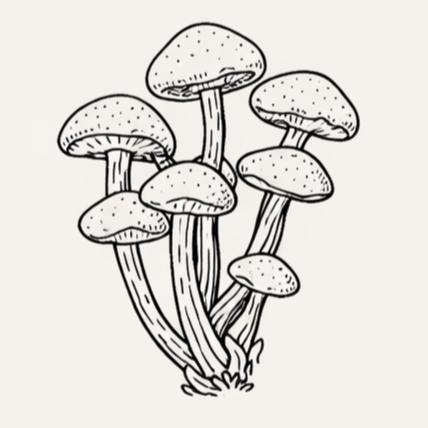
Chestnut (Pholiota adiposa)
Chestnut mushrooms are valued for their rich flavor, firm texture, and naturally occurring antioxidants. Like many edible mushrooms, they contain fiber, B vitamins, and bioactive compounds that researchers are studying for their role in supporting immune function and overall cellular health. Enjoyed as a whole food, chestnuts reflect the nourishing simplicity of fungi and their place in a balanced, plant-forward diet.
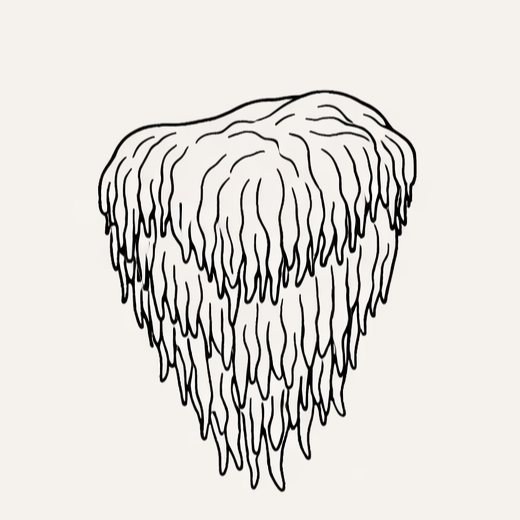
Comb Tooth (Hericium coralloides)
Comb tooth is closely related to lion’s mane and shares its cascading, coral-like form. Traditionally enjoyed as a culinary mushroom, it contains naturally occurring compounds that researchers are studying for their role in supporting nerve and cognitive health. Like other members of the Hericium genus, comb tooth is appreciated both for its delicate texture and for the growing scientific interest in how these fungi may support healthy nervous system function as part of a balanced lifestyle.
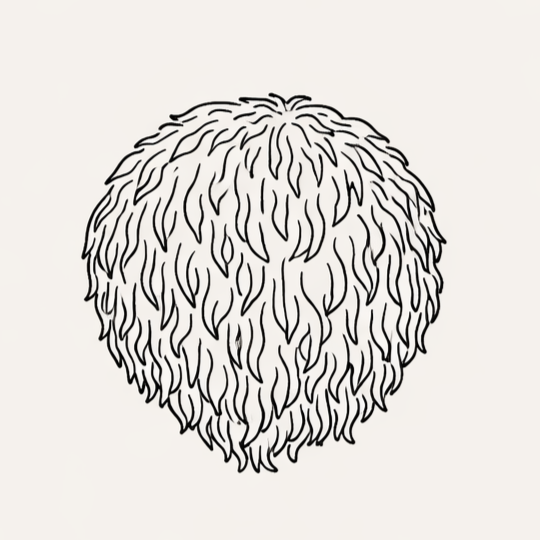
Lion’s Mane (Hericium erinaceus)
Lion’s mane is a distinctive, cascading mushroom traditionally valued in culinary and wellness practices. It contains naturally occurring compounds that researchers are studying for their role in supporting nerve growth factor (NGF), a protein involved in healthy nerve function and communication within the brain. As part of a balanced lifestyle, lion’s mane is often enjoyed for its potential to support cognitive clarity, focus, and overall nervous system health.
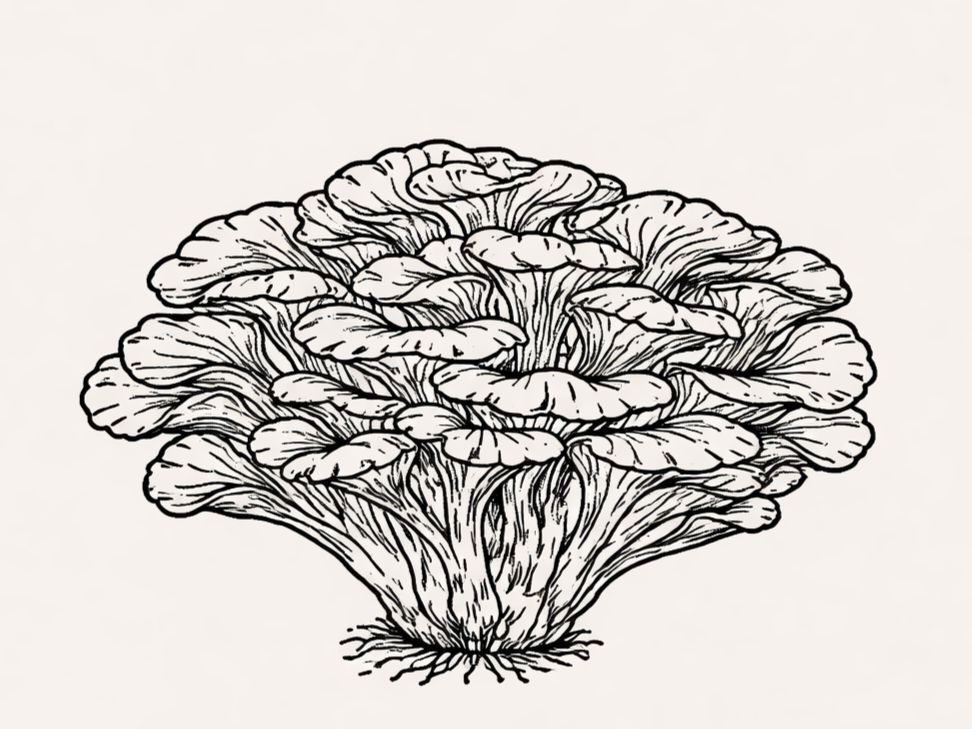
Maitake (Grifola frondosa)
Maitake, sometimes called “hen of the woods,” has a long history in Japanese and Chinese culinary traditions. It contains naturally occurring compounds that are being studied for their role in supporting immune balance and healthy metabolic function. Maitake is valued both for its distinctive texture and for the growing body of research exploring how mushrooms contribute to overall wellness when enjoyed as part of a balanced diet.
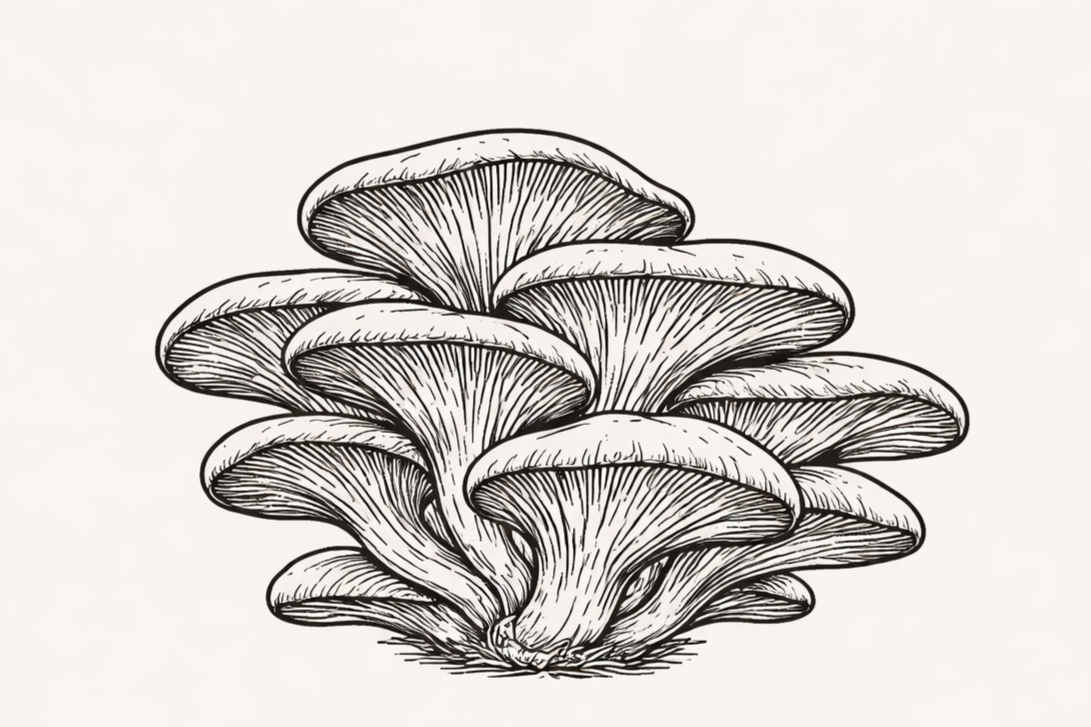
Oyster (Pleurotus ostreatus)
Oyster mushrooms are nutrient-dense culinary mushrooms appreciated for their delicate flavor and versatility. They naturally provide fiber, B vitamins, minerals such as potassium, and beta-glucans. Researchers continue to explore how compounds found in oyster mushrooms may support heart health, healthy cholesterol metabolism, and overall immune function when included as part of a varied diet.
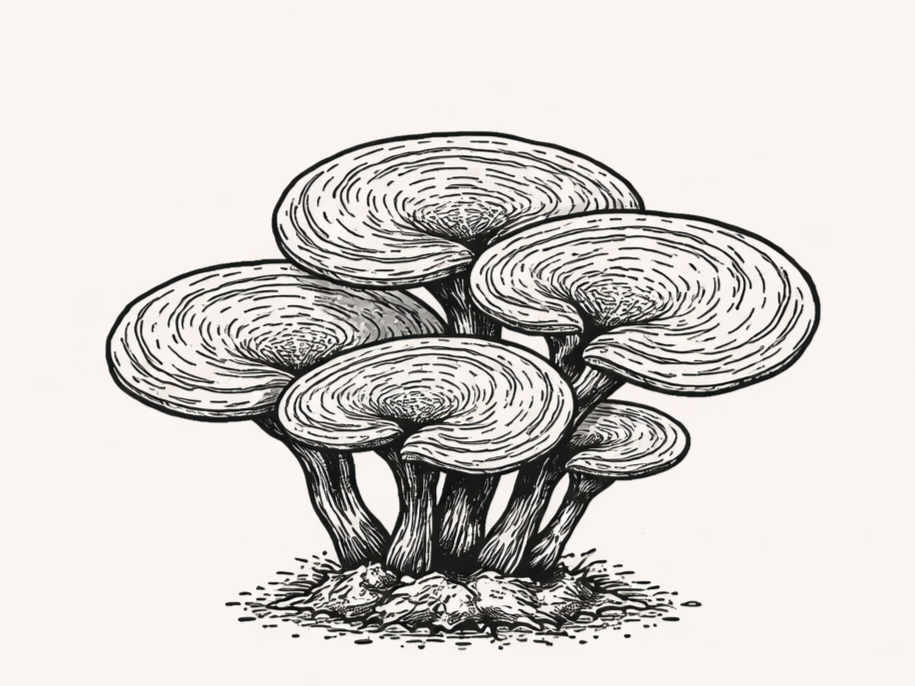
Reishi (Ganoderma lucidum)
Reishi has been used for centuries in traditional Chinese herbal practices, where it was often regarded as a symbol of longevity and balance. Modern research continues to explore the naturally occurring compounds found in reishi and their role in supporting immune health, stress resilience, and overall well-being. Today, reishi is appreciated as part of a holistic approach to supporting balance within the body.
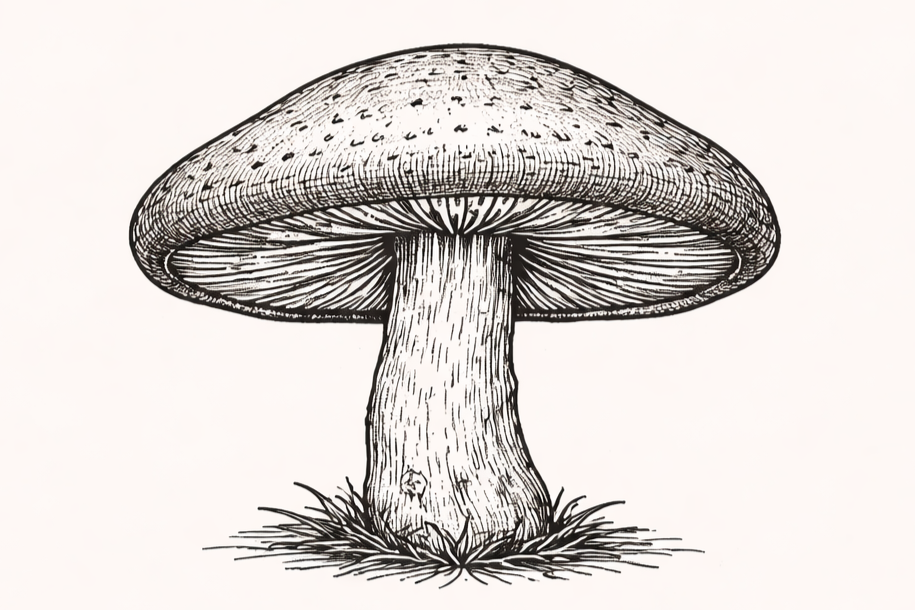
Shiitake (Lentinula edodes)
Shiitake has been cultivated for centuries in East Asia as both a valued culinary ingredient and a traditional wellness food. It contains naturally occurring beta-glucans and other compounds that researchers are studying for their role in supporting healthy immune function and overall vitality. Known for its rich, savory flavor, shiitake reflects the intersection of nourishment and longstanding tradition.
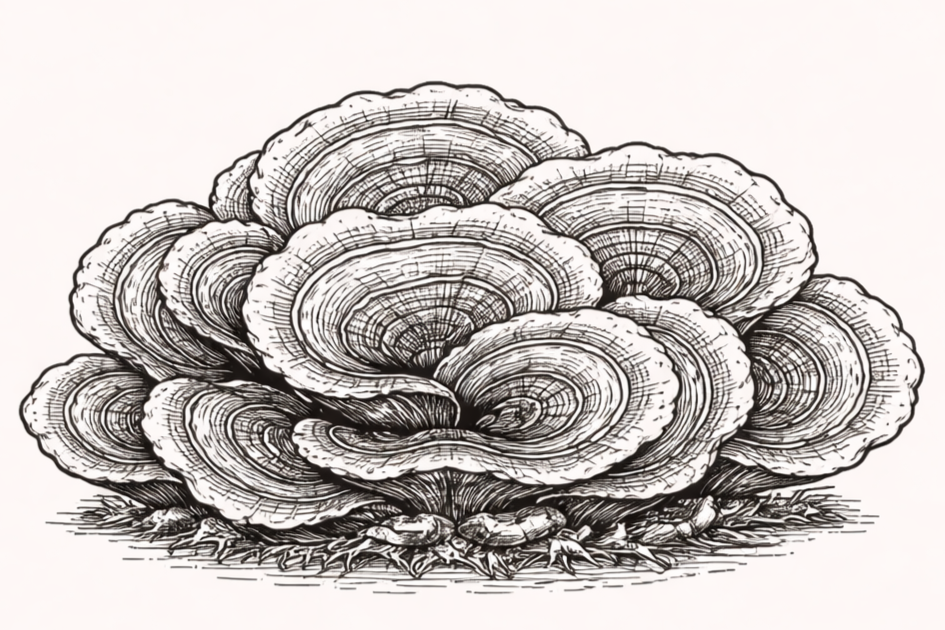
Turkey Tail (Trametes versicolor)
Turkey tail is a vibrant, fan-shaped mushroom long valued in traditional Chinese herbal practices for supporting vitality and resilience. In modern times, extracts derived from turkey tail have been studied in clinical and integrative healthcare settings, including alongside conventional medical treatments in some countries. Researchers continue to explore the role of its naturally occurring beta-glucans in supporting healthy immune system function.