

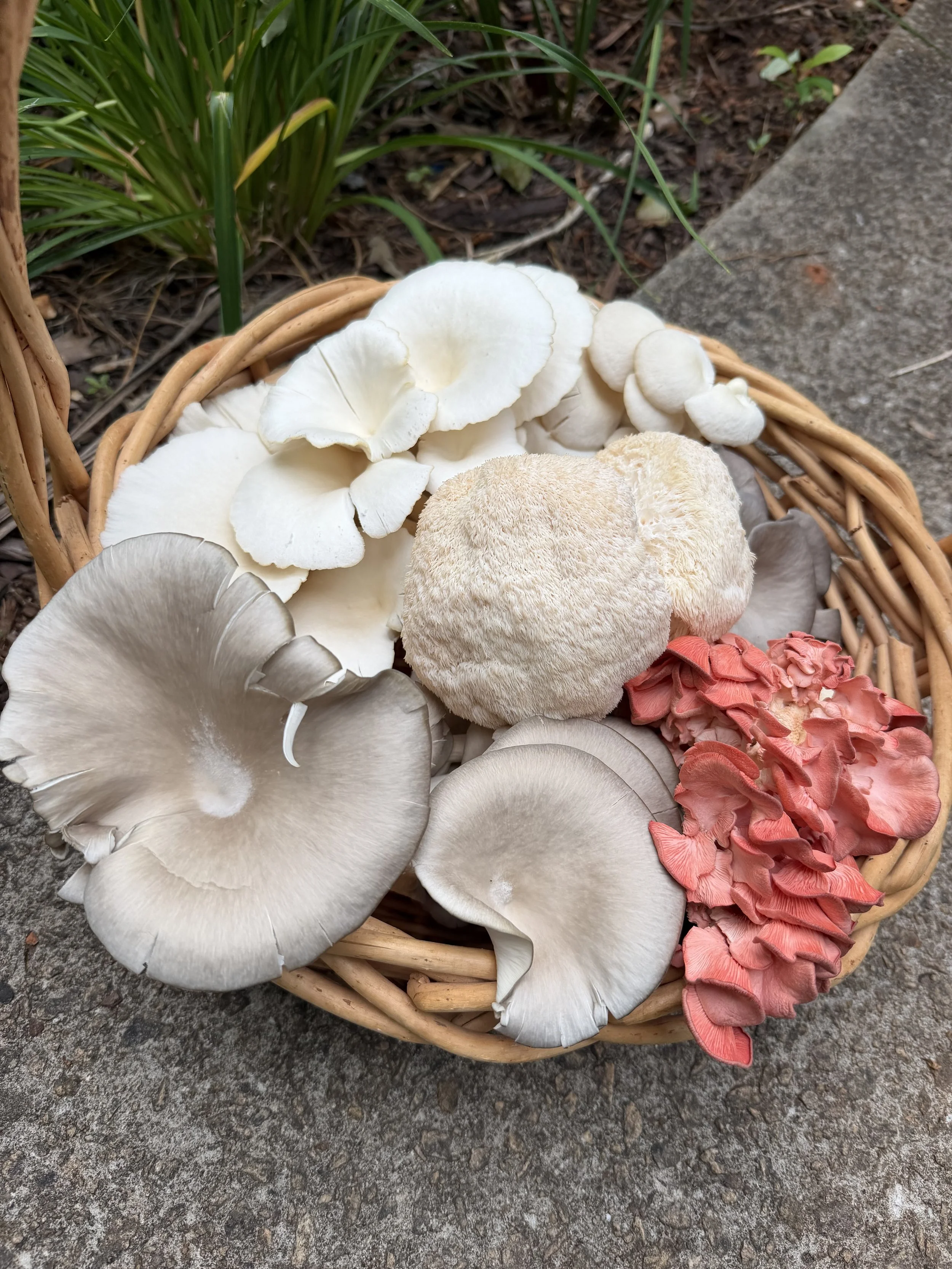
Grown With Purpose.
Spore & Sage was founded on a simple idea: that small-scale agriculture can be transparent, educational, and deeply connected to place.
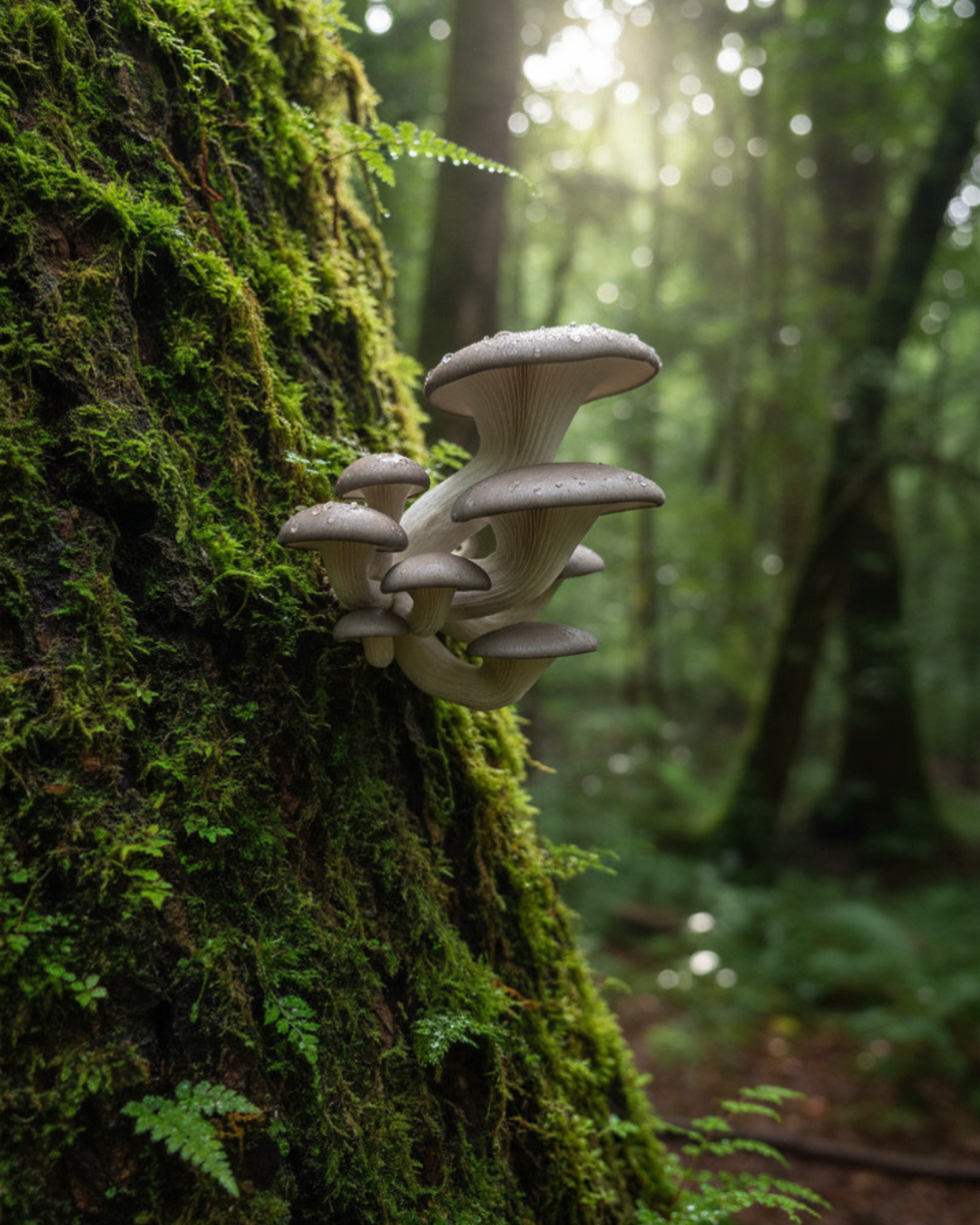
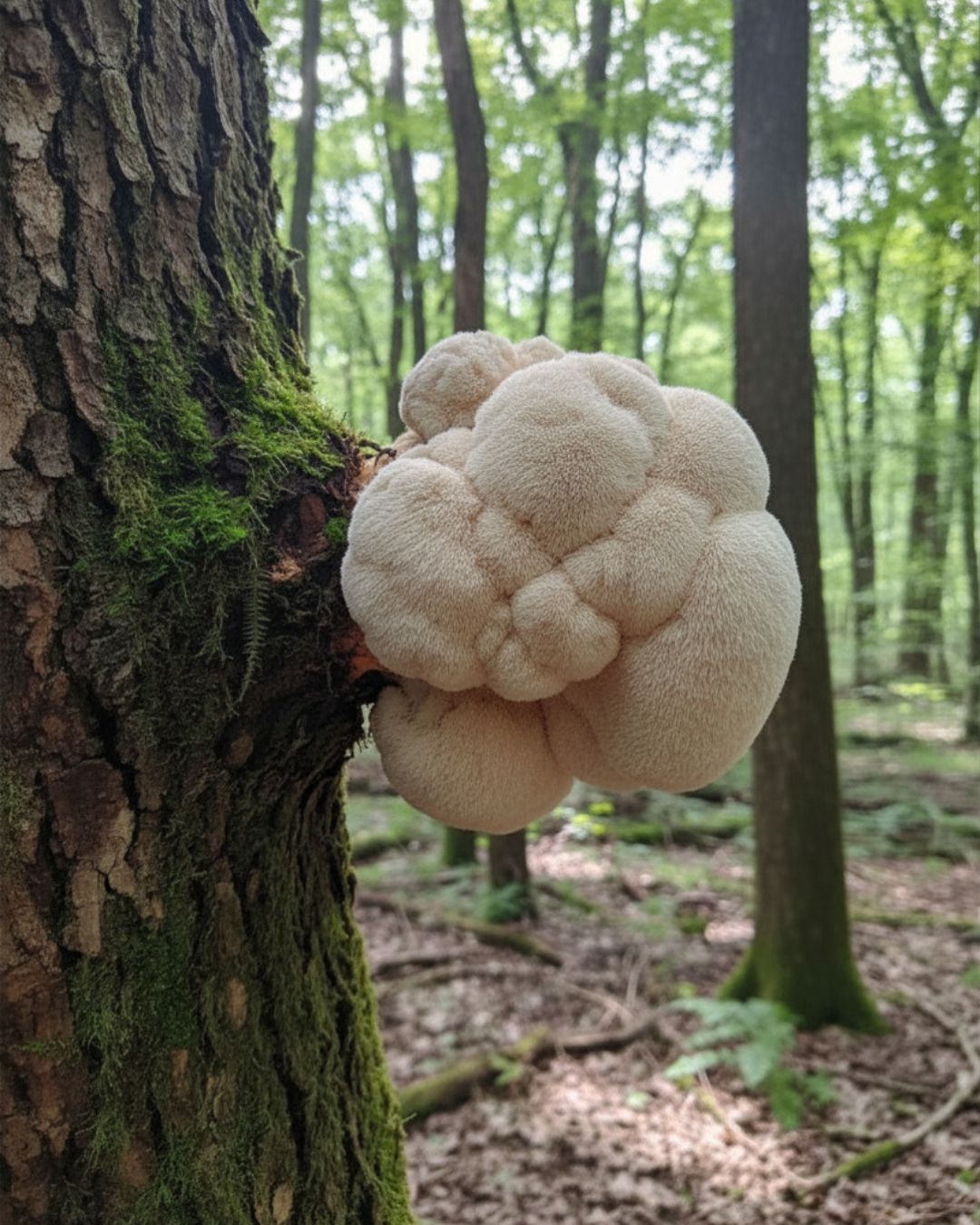
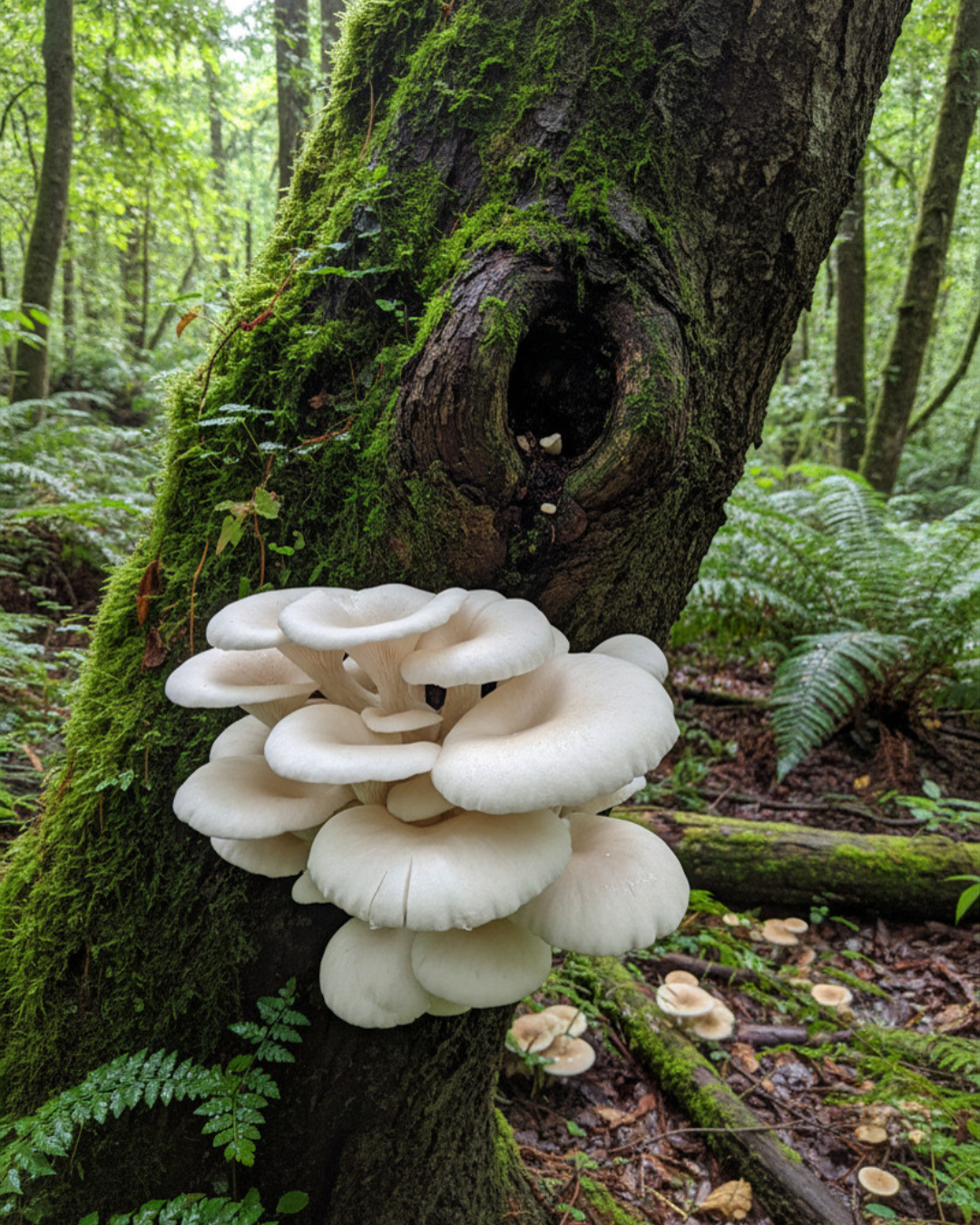
Spore & Sage was founded on a simple idea: that small-scale agriculture can be transparent, educational, and deeply connected to place. Inspired by forest ecosystems and informed by scientific growing practices, the farm cultivates mushrooms through both carefully managed climate-controlled systems and natural hardwood log and forest bed methods. This dual approach reflects a belief that thoughtful design and seasonal rhythms can coexist — that cultivation can be both precise and rooted in the land. Beyond producing food, Spore & Sage seeks to demonstrate how intentional growing practices can support community, stewardship, and a deeper understanding of how living systems work together.

Meet the Founder & Chief Cultivator
Alexis R. Faust is the founder and Chief Cultivator of Spore & Sage. With a background rooted in education, research, and community engagement, she brings a systems-based perspective to small-scale agriculture — blending scientific inquiry with hands-on cultivation. Her years in science education fostered a deep respect for evidence, experimentation, and the evolving nature of knowledge, an approach she now applies to the study and cultivation of fungi.
Fascinated by the growing body of research surrounding these complex organisms, she views mushroom farming not only as food production, but as an ongoing exploration of biology, ecology, and discovery. Her work reflects a long-standing commitment to learning, stewardship, and sharing knowledge in ways that connect people more closely to the land and to their food.